Magical Realism in Latin-American cinema is one of Imagine’s festival themes this year. Programmer (and filmmaker!) Kiko Morah grew up in Mexico and came to the Netherlands for love. He’s just the person to give us a little insight into this special programme.
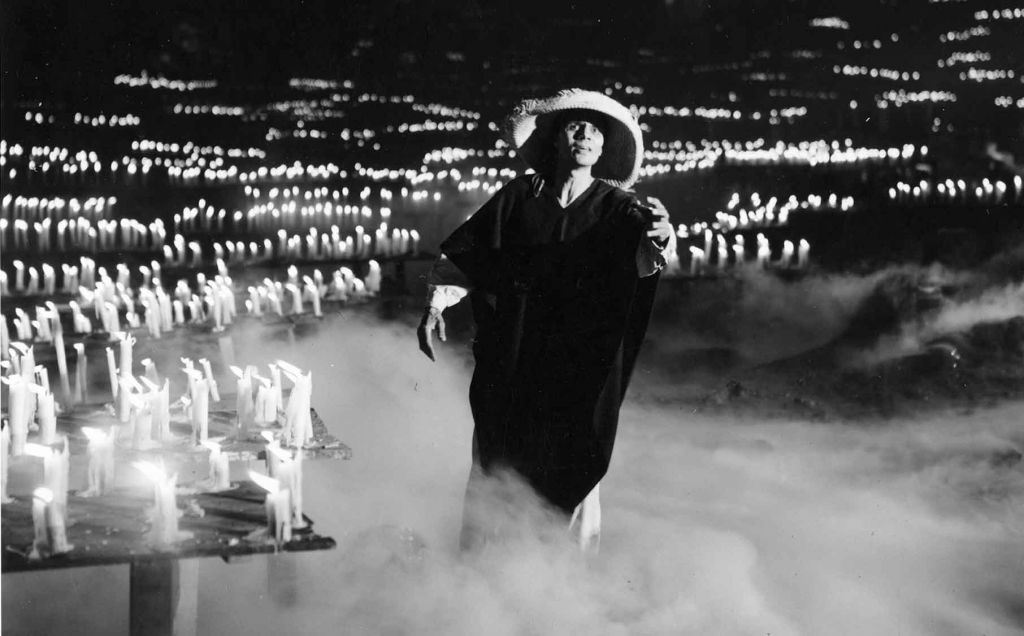
The classic Macario is a striking addition to the Magical Realism programme. You’re Mexican yourself; were you familiar with the film?
‘Every Mexican, whether you’re a film buff or not, knows Macario. Many of us consider it one of the best Mexican films ever made, if not the very best. Ignacio López Tarso was a legend and continued to work right up until his death at a ripe old age. Moreover, Gabriel Figueroa’s cinematography was a regular subject of analysis at film school. I was surprised that the first Mexican film ever to be nominated for an Oscar had hardly ever been screened in the Netherlands, so I’m really happy we’re screening it.’
Perhaps every Mexican filmmaker is just one rejection away from a complete breakdown.
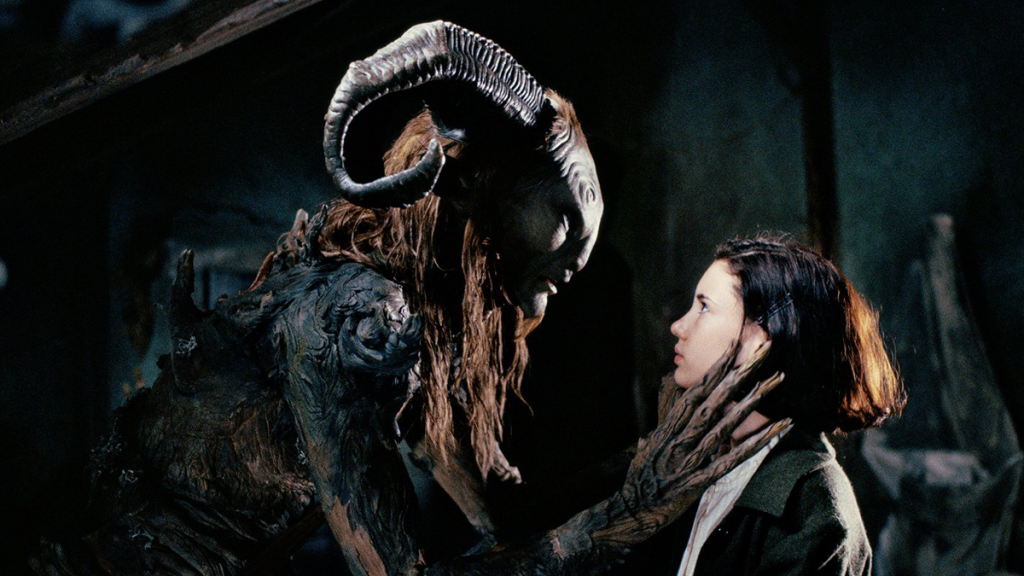
Besides Macario, Pan’s Labyrinth is also (partly) from Mexico. In your view, what gives these films – within the broader Latin American magical-realist tradition – their own unique identity?
‘Although Pan’s Labyrinth is set in Franco’s Spain, director Guillermo del Toro’s films always have a distinct Mexican identity. I think our awareness of – and celebration of – death as part of life creates a different sensibility, when it comes to serious themes, but also when it comes to comedy. As Del Toro himself has said: ‘No one loves life more than we do, precisely because we are so aware of death.’’
If there’s one film in this programme that you’d particularly like to recommend to the audience, which one would it be?
‘It’s not part of the Magical Realism programme, but Mexican and unconventional nonetheless: The Wig (La Peluca) by Emiliano Rocha Minter. It’s a fever-dream about a director who goes to extreme lengths to secure funding for his epic masterpiece. Think Wes Anderson on a peyote trip in the Mexican desert.’
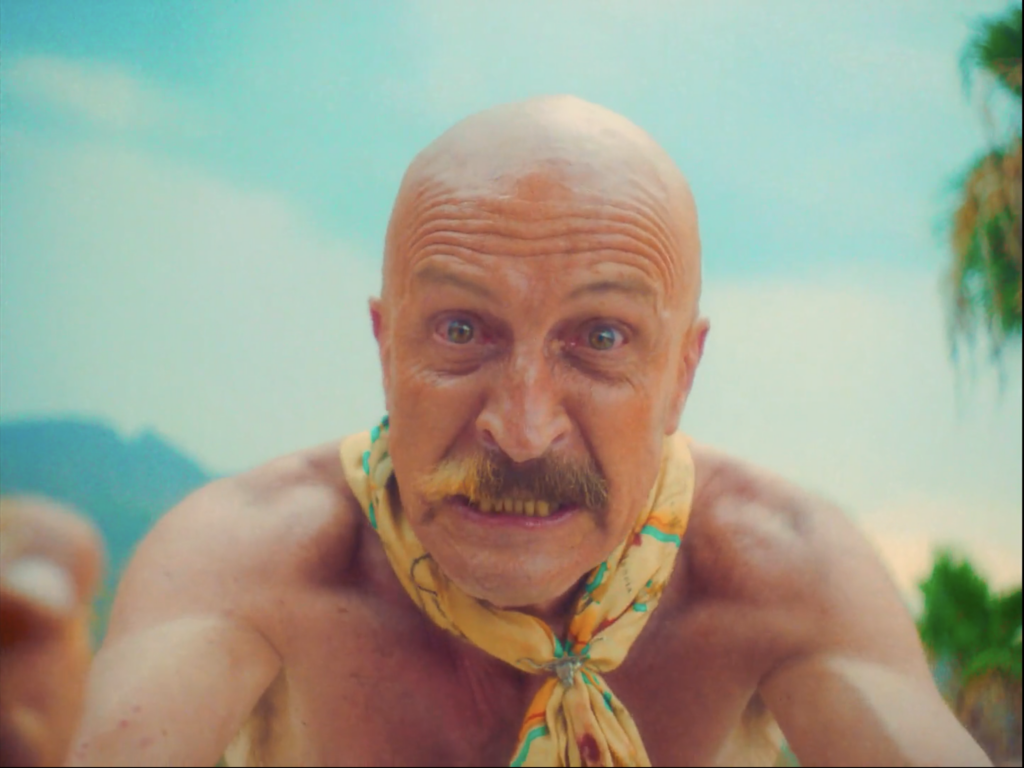
Taking something terrible at face value and finding the humour in it feels very Mexican to me.
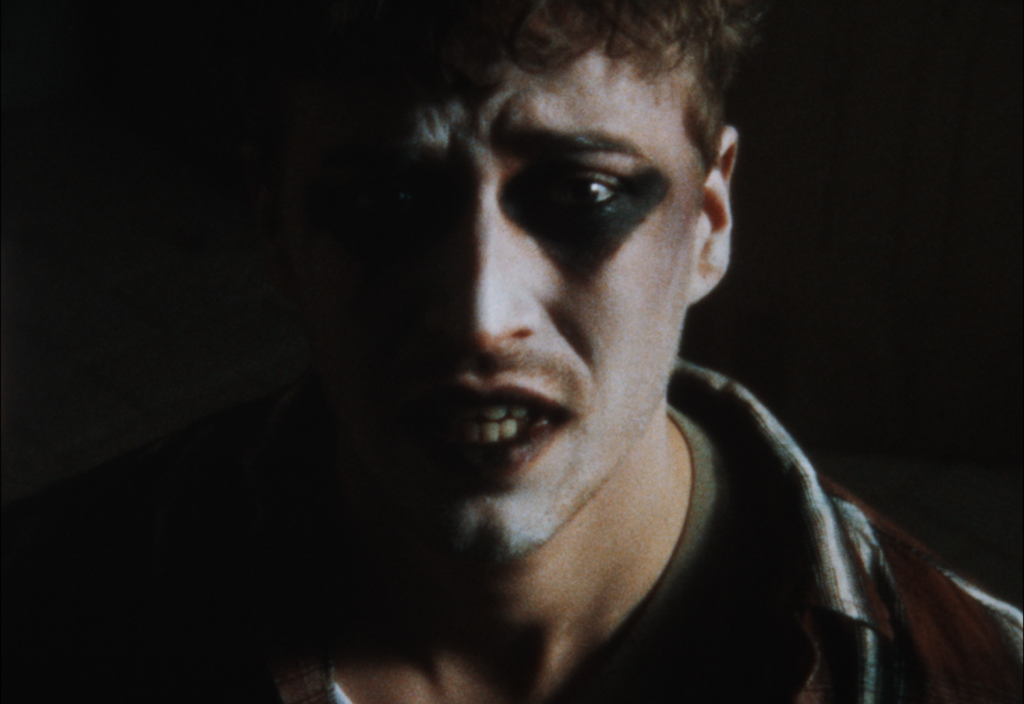
You’re taking part in the short film programme with your own work, Rushes of a Killer. Where did the inspiration come from, and are there traces of your Mexican cinematic heritage in it?
‘The idea came about over a beer with my co-screenwriter and producer, whilst we were swapping stories about rejections and disappointments. We came up with the character of a filmmaker who, after countless rejections, decides to make his masterpiece, whatever the cost: he kidnaps people, forces them to act, and gets rid of them if the result isn’t to his liking.’
‘Taking something terrible at face value and finding the humour in it feels very Mexican to me. Funnily enough, it’s only now during this interview that I’m realising my film and The Wig share the same premise. They’re completely different films, but perhaps that’s precisely why it appealed to me so much. Or maybe every Mexican filmmaker is just one rejection away from a total breakdown.’
Check out the thema page for the entire Magical Realism programme. . The Wig is screening on 30 October and 2 November. Rushes of a Killer is featured in Nieuw Nederlands Peil 3, on 3 November.
Article by Phil van Tongeren